

Geriatrics: putting the person before the building
Geriatrics is the medical specialty concerned with the health and care of older people. Its importance extends beyond treating individual diseases: maintaining function, respecting personal priorities and coordinating support become especially important when needs are complex. Ageing is not a uniform experience. People of the same age can have very different abilities, preferences and care requirements. Healthy ageing therefore calls for environments and services that support participation and dignity, alongside access to long-term care when needed. WHO ↗
A comprehensive approach to care
Comprehensive geriatric assessment brings medical, psychological, functional and social needs together in a coordinated plan. It is a multidisciplinary process with follow-up, rather than a one-off checklist. In practice, a care model may need to connect medical input, nursing, rehabilitation and social support. A senior care residence is not automatically a geriatric hospital: the services offered, professional staffing and required authorisations must match the intended model. British Geriatrics Society ↗
Care quality is part of the investment case
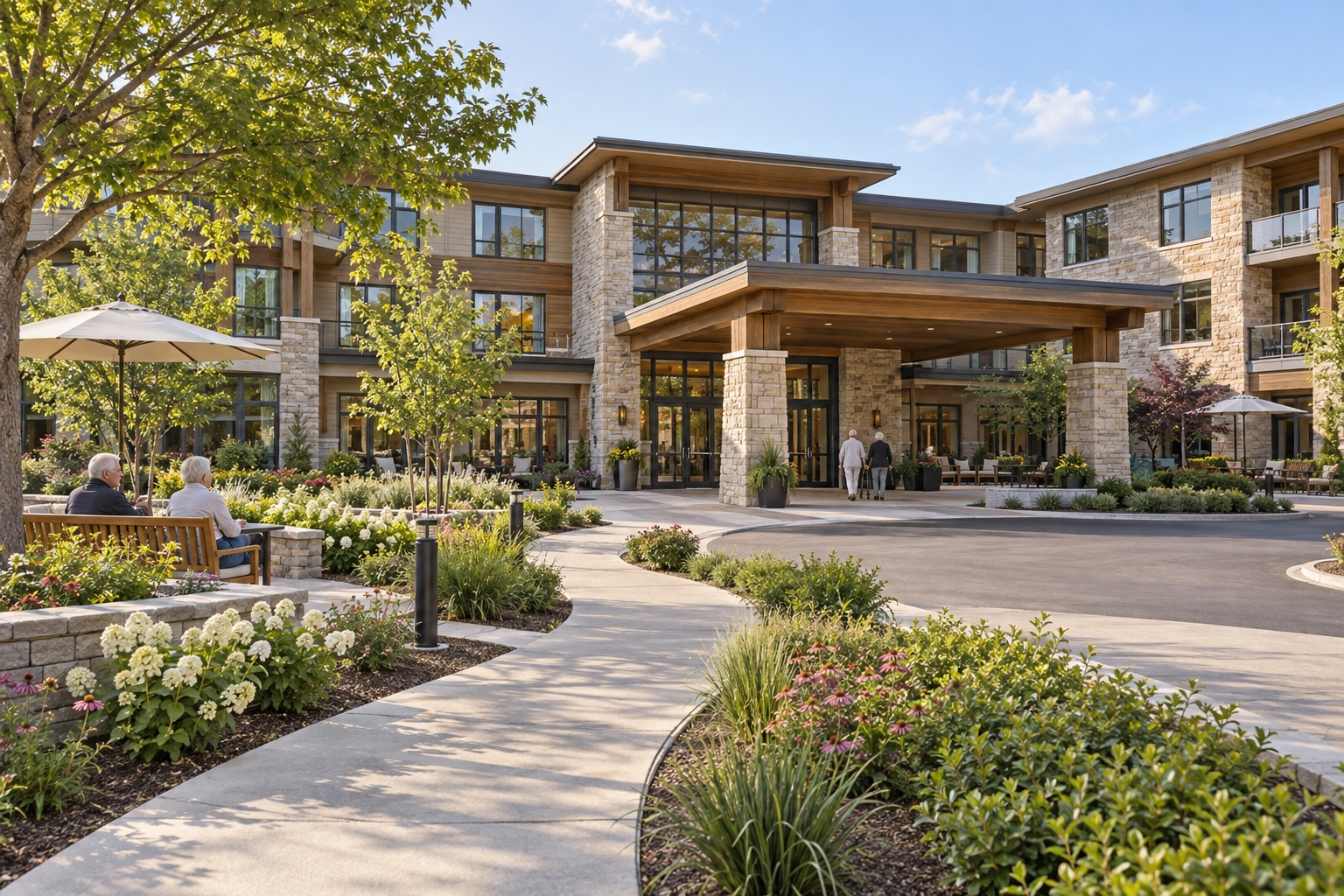
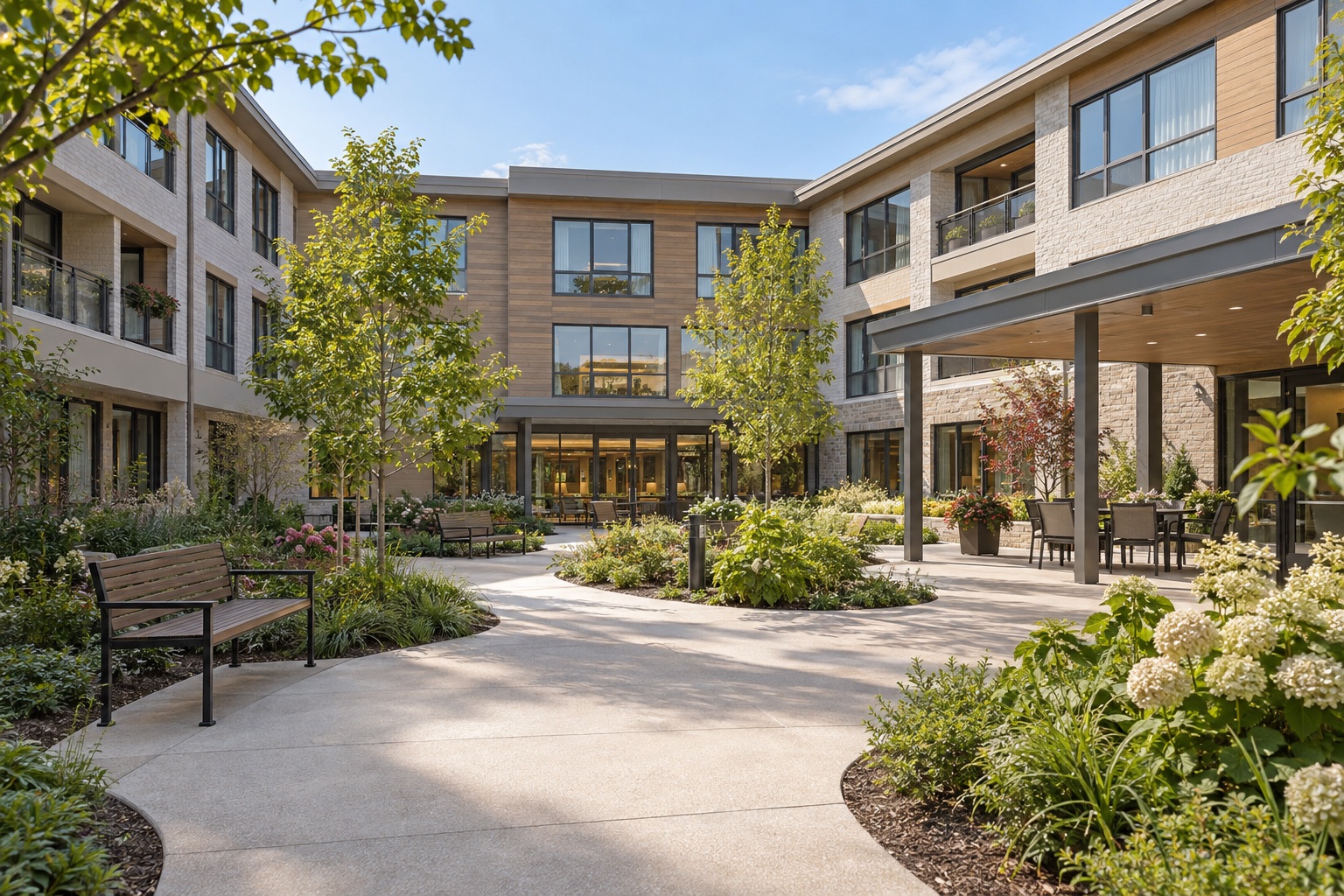
A care-centre investment should begin with the people it will serve and the services it can deliver safely. Accessible rooms, suitable circulation, shared spaces and gardens matter, but a new building alone cannot establish quality. Staffing, training, safeguarding, continuity of care and resident choice need a place in the operating plan. Financial planning should protect these essentials rather than assume they can be reduced whenever margins come under pressure.
Financing options to examine
Sponsor equity can fund preparation and provide a buffer against delays. A strategic operating partner may contribute capital and operating capability, subject to agreed responsibilities. Construction or investment loans can support eligible capital expenditure; long-term repayment must be consistent with realistic cash flows. Equipment leasing may be relevant for suitable assets. Where property ownership and care operations are separated, lease obligations and maintenance responsibilities need close examination. These are options for assessment, not a promise that a particular facility will qualify.
Development finance: an example, not an entitlement
Social infrastructure can also attract development-bank support. In March 2026, the EIB and ICF announced a €50 million loan supporting social infrastructure in Catalonia, including care homes, day centres and assisted living facilities. This illustrates one financing channel in a defined programme. It does not establish eligibility for a project elsewhere, or indicate any relationship between IBL Finance and that programme. European Investment Bank ↗
The budget must extend beyond construction
A credible funding plan includes land or property costs, design, construction, equipment, professional fees, opening preparations and contingencies. Recruitment and training may begin before meaningful revenue arrives. Working capital must therefore cover the transition to stable operations. A completed building with insufficient operating liquidity is not a fully funded care project.
Test the operating assumptions
For initial financial assessment, examine licensed capacity, realistic occupancy growth, fees, payer mix, collection periods, staffing costs and maintenance expenditure. Compare a base case with slower admissions, delayed opening and higher wages. Clarify who pays for which services and whether revenues depend on contracts or reimbursements that are not yet secured. Attractive demographic trends do not by themselves guarantee local demand or repayment capacity.
IBL Finance perspective: align care and capital
The central financing question is whether the project can sustain its care commitments through both normal and difficult periods. An initial discussion should bring together the sponsor, an experienced operator and relevant technical and professional advisers. Useful starting documents include the site and ownership position, service model, permission status, investment budget, operating forecast and proposed equity contribution. Any financing structure remains subject to lender assessment and project-specific legal, regulatory and commercial review.
General information only; not medical, investment or legal advice, or a commitment to provide finance.
Discuss your project ↗