The future of energy is the future of society.
Energy shapes both a country’s productive capacity and people’s everyday lives. Heating a home, continuing an education, keeping a business running and creating healthier urban environments all depend closely on reliable, accessible and sustainable energy.
That is why we see the energy transition as more than technological renewal. Finance, public policy, the environment, education and public participation are parts of the same picture. At the heart of IBL’s relationship with MEF and ZIP Institute is a commitment to working together to connect these elements.
MEF: from the Western Balkans to the international energy agenda.
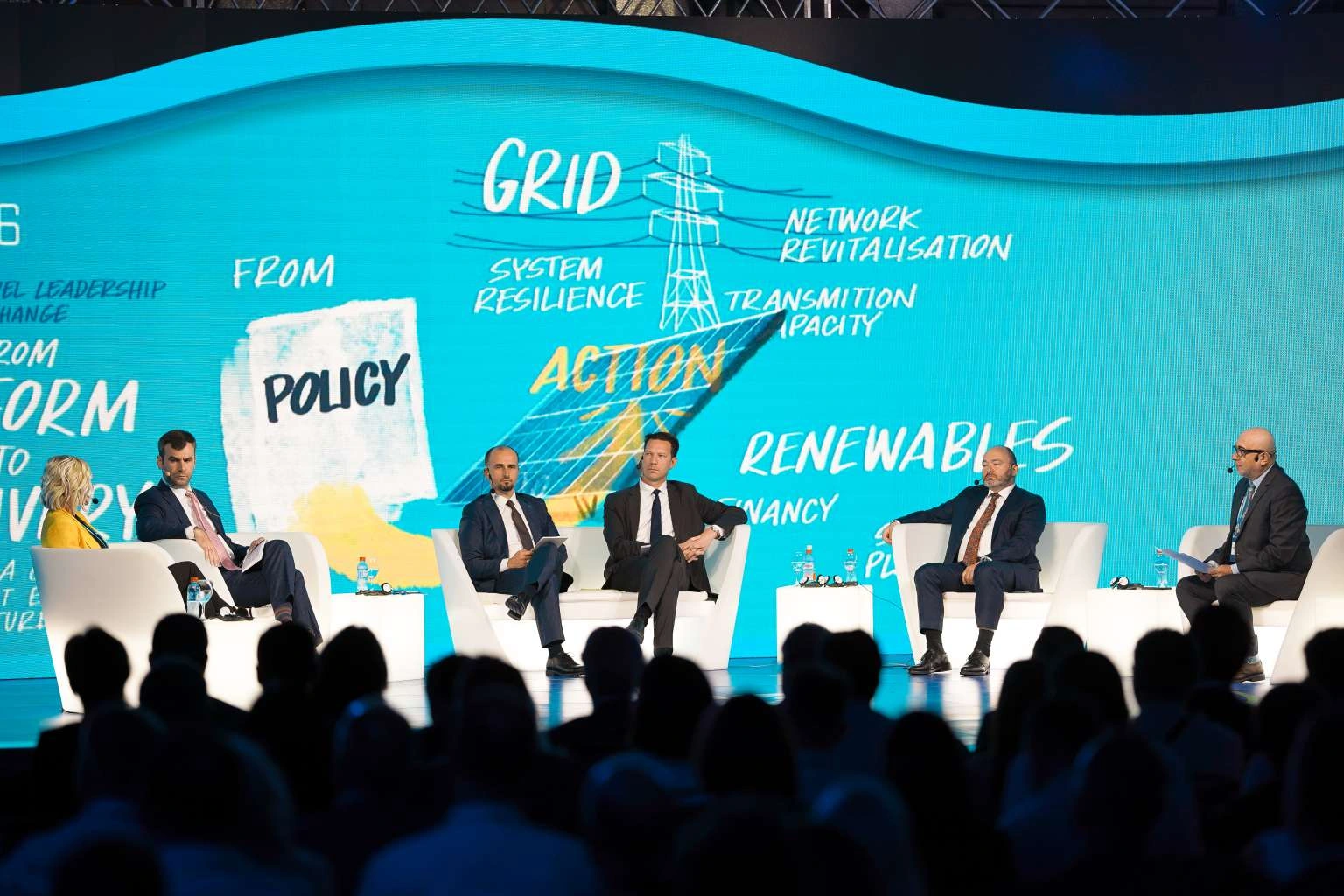
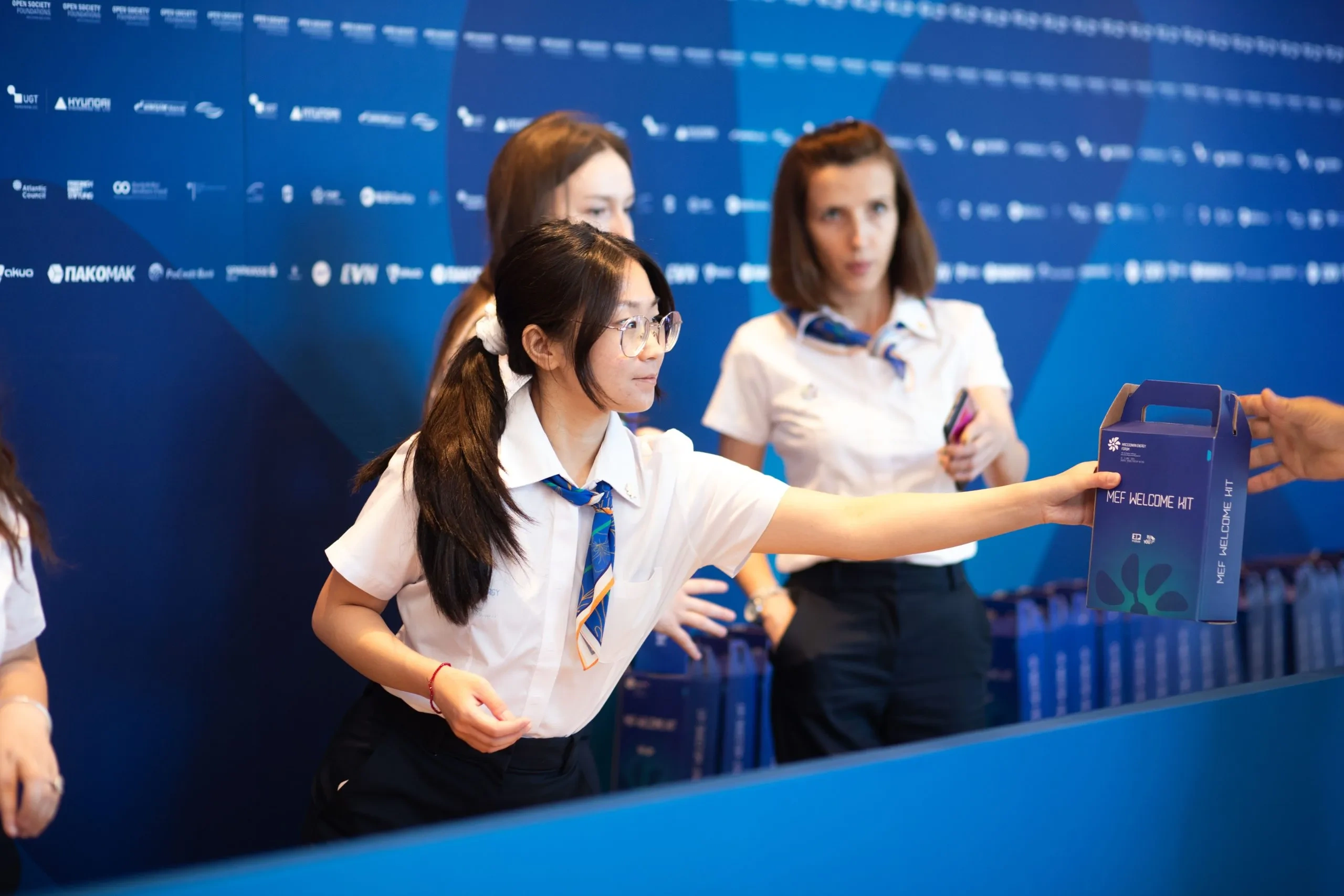
On its official website, MEF describes itself as the largest energy event in the Western Balkans. Based in Skopje, the forum brings policymakers, businesses, investors, researchers and civil society together around the energy and climate agenda. [1]
Held for the ninth time in 2026, MEF focuses on the energy transition and climate resilience on the road to COP31. Its international relevance lies in bringing regional needs into a wider discussion and enabling direct dialogue between different sectors. [2]
For IBL, being part of such a platform carries a responsibility to connect financial thinking with long-term social benefit. The feasibility of an investment and people’s future should not be considered in isolation.
ZIP Institute: from ideas to participation, from participation to progress.
ZIP Institute, an independent public policy organisation based in Skopje, connects research, democratic participation and practical initiatives. Alongside energy and climate, its work covers local development, youth, inclusion and non-formal learning. [3]
This broad perspective shows why social responsibility cannot be reduced to a single issue. A more sustainable society needs participation, listening and the ability to develop solutions together, as well as technical knowledge. IBL sees its ongoing work on ZIP projects as part of this long-term outlook.
The value of nine years: continuity, trust and shared effort.
A nine-year relationship is not measured by a calendar alone. Trust built over time, repeated meetings and a sense of shared responsibility give it its real value. At IBL, our involvement in MEF and ZIP’s work is a commitment embedded in our corporate identity.
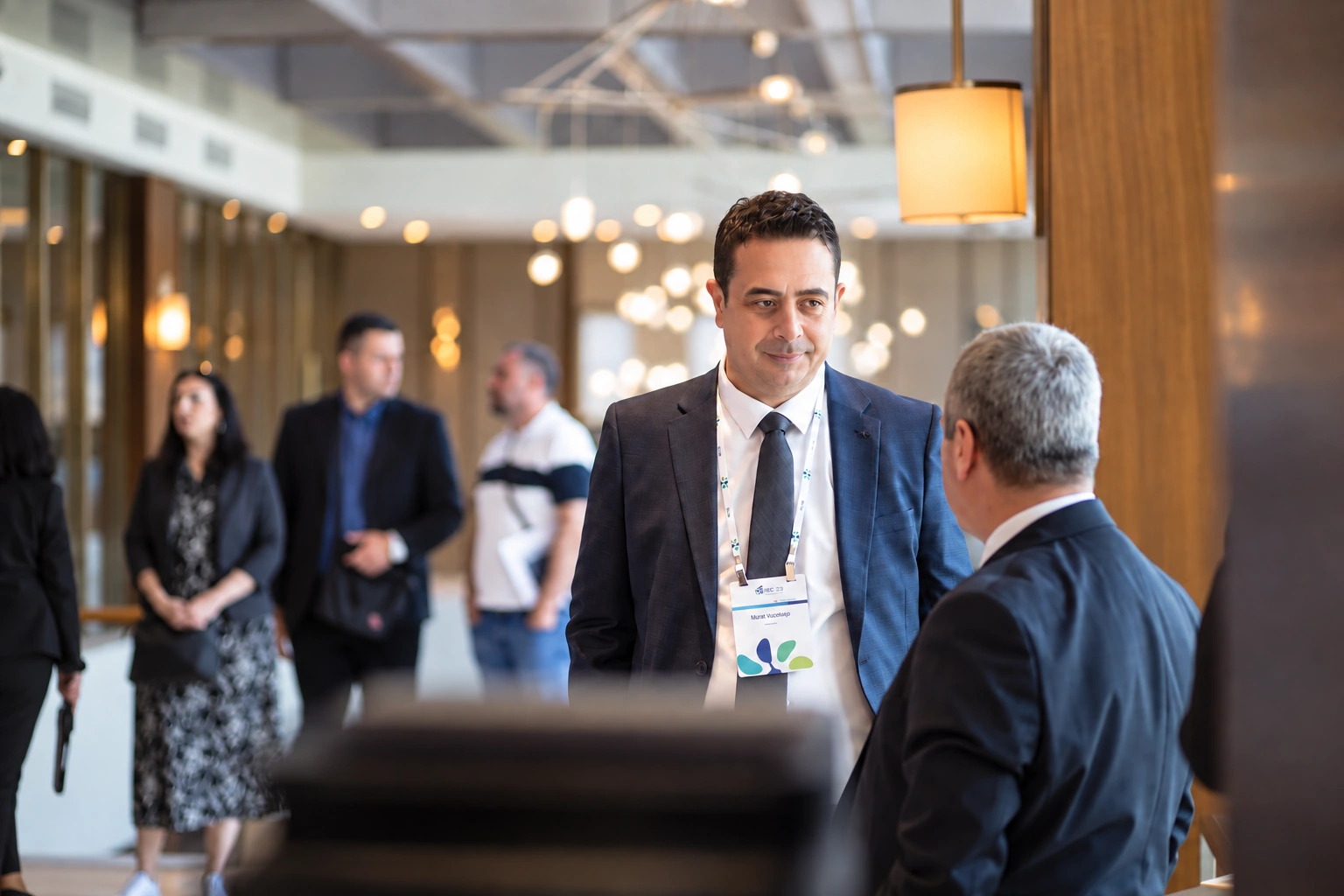
Murat Yeşilkaya’s participation in the forum also reflects the human dimension of this approach: talking face to face, listening to different views and discussing the future around the same table. Lasting institutional relationships are often strengthened through these direct encounters.
Knowledge and dialogue
We value bringing disciplines together, sharing experience and developing a culture of collective thinking.
Responsible finance
We advocate assessing financial feasibility alongside environmental and social impacts.
Lasting engagement
We believe in continuity and relationships that develop over years, beyond one-off visibility.
For us, social responsibility means an ongoing contribution to the future.
We regard our continuing work with MEF and ZIP Institute as one of our most valued areas of social responsibility because it supports an approach that connects the energy agenda with human life. Today’s decisions shape tomorrow’s working lives, quality of life and environment.
At IBL, we are proud to be part of the forum and to work on ZIP projects. Our approach to the years ahead remains the same: sharing knowledge, strengthening international dialogue and embracing our shared responsibility for a sustainable future.