

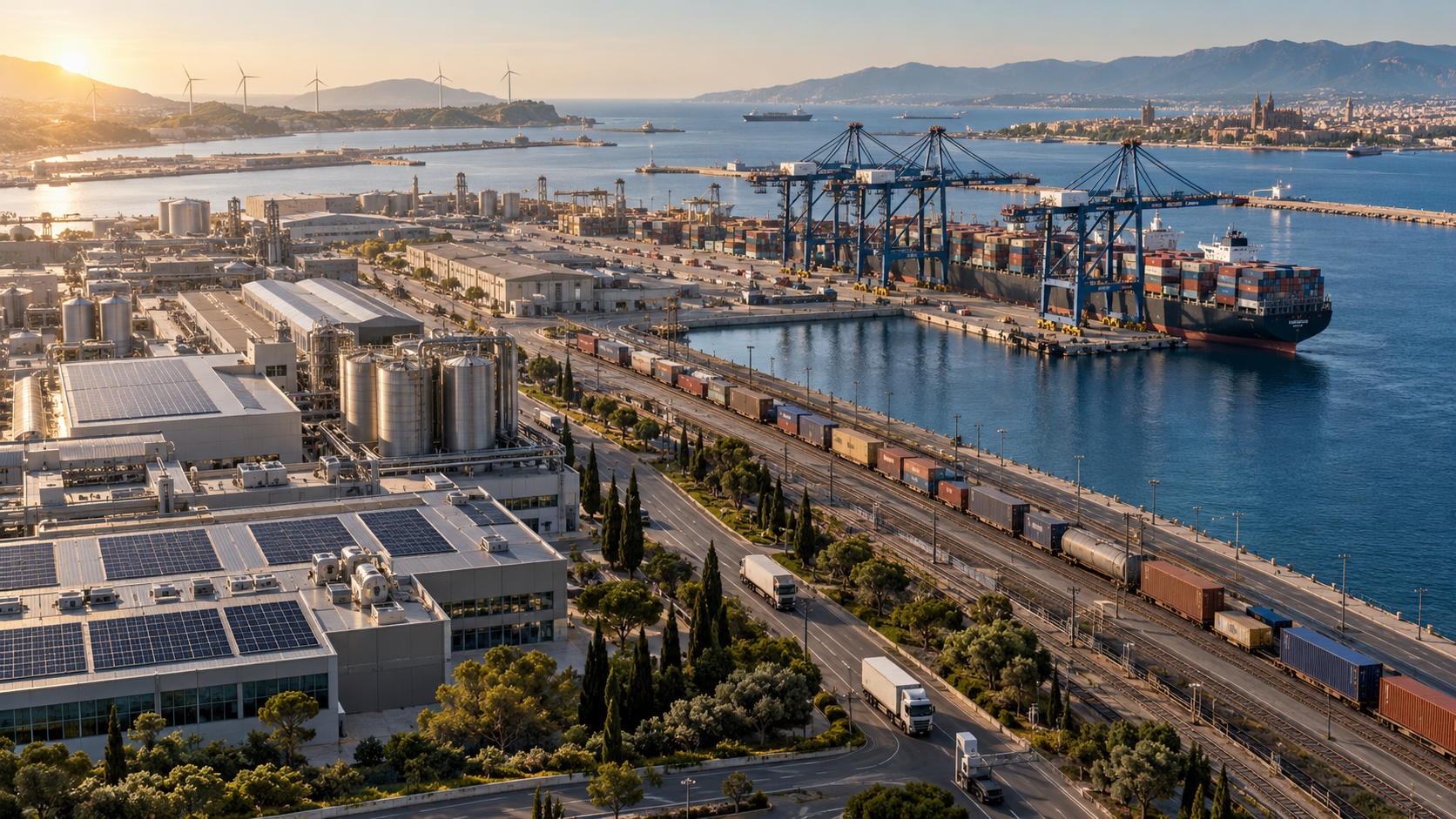
When a product leaves the factory, it carries more than an invoice, technical specifications and delivery documents. It also carries the environmental impact of its energy, raw materials and transportation. Often invisible to the eye, that impact is becoming increasingly visible in business costs, commercial relationships and investment decisions.
The carbon footprint raises an important question for the future of business: can we sustain the economic value we create today while preserving tomorrow’s resources?
At IBL Finance, we approach this question where financial responsibility meets environmental awareness. We believe that considering growth ambitions alongside resource use helps businesses make sounder, longer-term decisions.
The global picture: Slower growth, a growing total burden
According to the International Energy Agency’s Global Energy Review 2026, global energy-related carbon dioxide emissions rose by approximately 0.4% in 2025, reaching 38.4 billion tonnes. Despite slower growth, the new peak underlines the continuing need for transformation. This figure concerns energy-related CO₂ emissions, not the total of all greenhouse gases worldwide.
For businesses, this global picture has everyday counterparts: an idle machine still running, a leaking compressed-air system, a vehicle travelling unnecessary empty kilometres or raw materials lost in production.
Making these losses visible is the first step towards turning environmental responsibility into a practical management issue.
Where does a company’s carbon footprint begin?
A carbon footprint expresses greenhouse gas emissions within defined activity boundaries in carbon dioxide equivalents. The widely used GHG Protocol framework divides corporate emissions into three scopes:
- Scope 1: Direct emissions from sources owned or controlled by the company, such as fuel used on site and company vehicles.
- Scope 2: Indirect emissions from the generation of purchased electricity, steam, heating and cooling.
- Scope 3: Other indirect emissions across the value chain, including purchased materials, transportation, business travel, the use of sold products and their end-of-life treatment.
Reducing a factory’s electricity consumption is therefore valuable, but cannot alone describe its entire environmental impact. The origin of raw materials, the movement of products and what happens after their use also matter.
A good start means collecting available data, identifying gaps and clearly stating measurement boundaries rather than waiting for a perfect picture.
Carbon management and financial management belong at the same table
For environmental transformation to last, it must be considered alongside investment budgets, cash flow and operational planning.
Consider a hypothetical business with an annual electricity bill of TRY 1 million. With output and electricity unit prices unchanged, cutting consumption by 15% would imply gross annual electricity savings of approximately TRY 150,000. Understanding the actual financial return, however, also requires equipment costs, maintenance, financing terms and any production losses during implementation to be included.
The percentage reduction in energy costs does not necessarily equal the reduction in carbon emissions. Energy sources and calculation methods affect the result.
The appropriate investment question is therefore: which improvement can deliver how much saving and verifiable emissions reduction, at what cost?
Bringing carbon data into this assessment enables management to discuss future costs as well as today’s expenditure more intelligently.
A new phase in trade with Europe
The definitive phase of the European Union’s Carbon Border Adjustment Mechanism, CBAM, began on 1 January 2026. Its current scope includes selected goods in iron and steel, aluminium, cement, fertilisers, electricity and hydrogen. Not every export is automatically covered; product classification and the applicable rules must be assessed.
The mechanism’s principal obligations fall on the EU importer or relevant representative. Nevertheless, supplying reliable product emissions data can become an important part of the commercial relationship for producers in Türkiye.
In our assessment, this makes cooperation between environmental, production, finance and sales teams more important for exporters. Providing requested data on time and explaining production processes deserve the same seriousness as pricing and delivery.
The first step does not always require a major investment
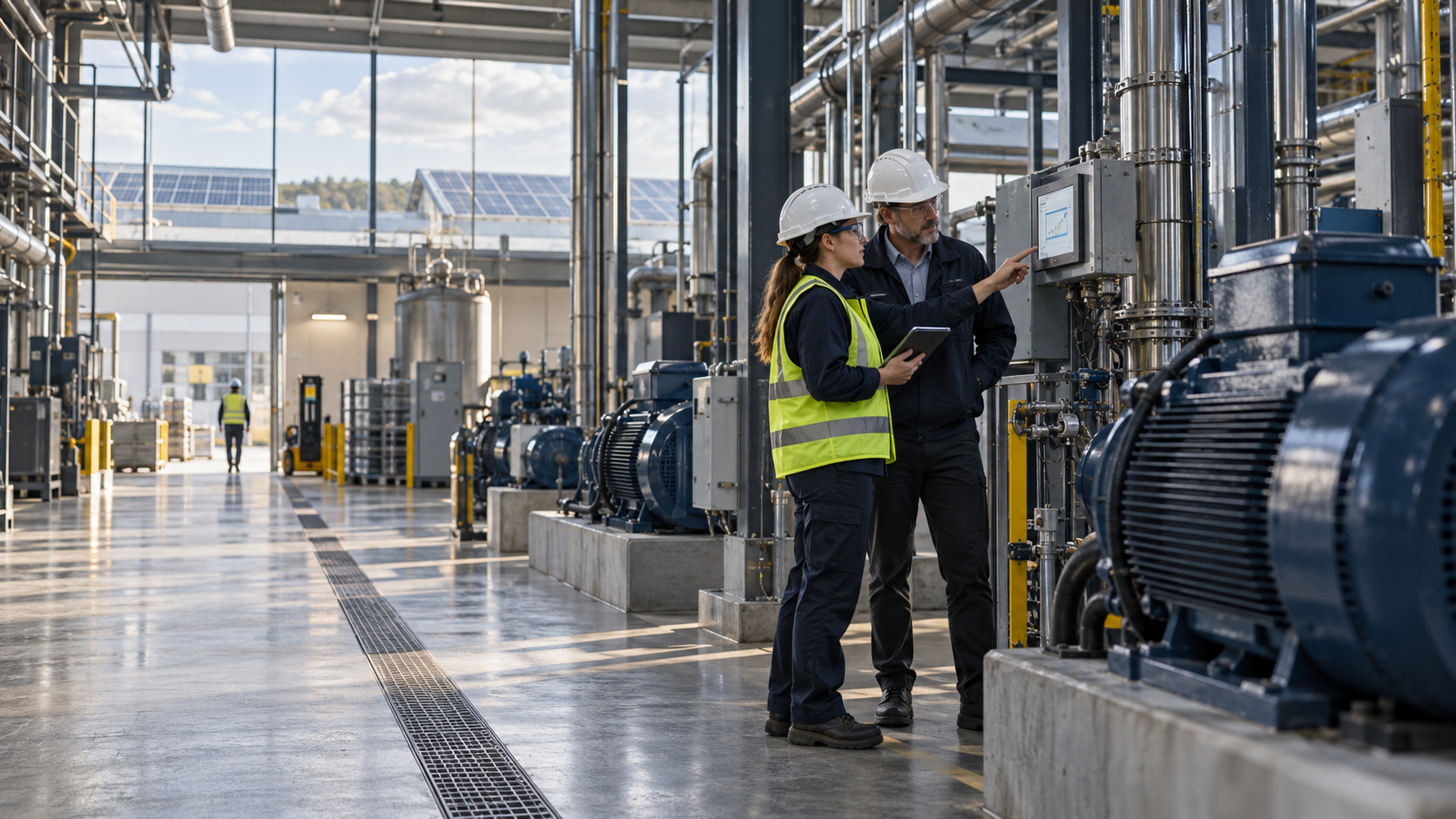
Managing a carbon footprint need not begin with a large technology investment. Often, the initial requirements are consistent records and clear allocation of responsibilities.
Monitoring electricity and fuel alongside output, addressing maintenance shortcomings, planning shipments more efficiently and reducing material losses and waste at source are practical starting points. The benefit of each measure should be assessed against the business’s circumstances.
The company can then prioritise larger investments: efficient equipment, heat recovery, electrification where appropriate and renewable energy options.
Progress should be assessed through both absolute emissions and emissions intensity per product. Emissions per unit can fall while total emissions increase because production expands. Transparent assessment shows both outcomes.
Social responsibility means giving substance to commitments
Trust in carbon management rests on reliable data before compelling language. Claims such as “environmentally friendly”, “carbon neutral” or “zero emissions” should make their activities, reporting period and methodology clear.
Environmental responsibility is also visible in employee participation, supplier communication and everyday decisions to reduce resource use. Sharing accessible information with businesses that have limited financial resources can help broaden participation in the transition.
At IBL Finance, our approach to social responsibility recognises financial knowledge as a resource for strengthening environmental awareness. This article aims to help companies consider their carbon footprints alongside investment planning, resource efficiency and long-term resilience.
Every business starts from a different position. What matters is an honest assessment, achievable goals and progress demonstrated through measurable results.
The strong companies of the future will be able to explain both the value they create and the resources and methods used to create it.
A strong balance sheet requires the ability to recognise tomorrow’s costs today.
IBL Finance — Strong Steps, Sustainable Future…